
What is the Difference Between CPAP and BiPAP
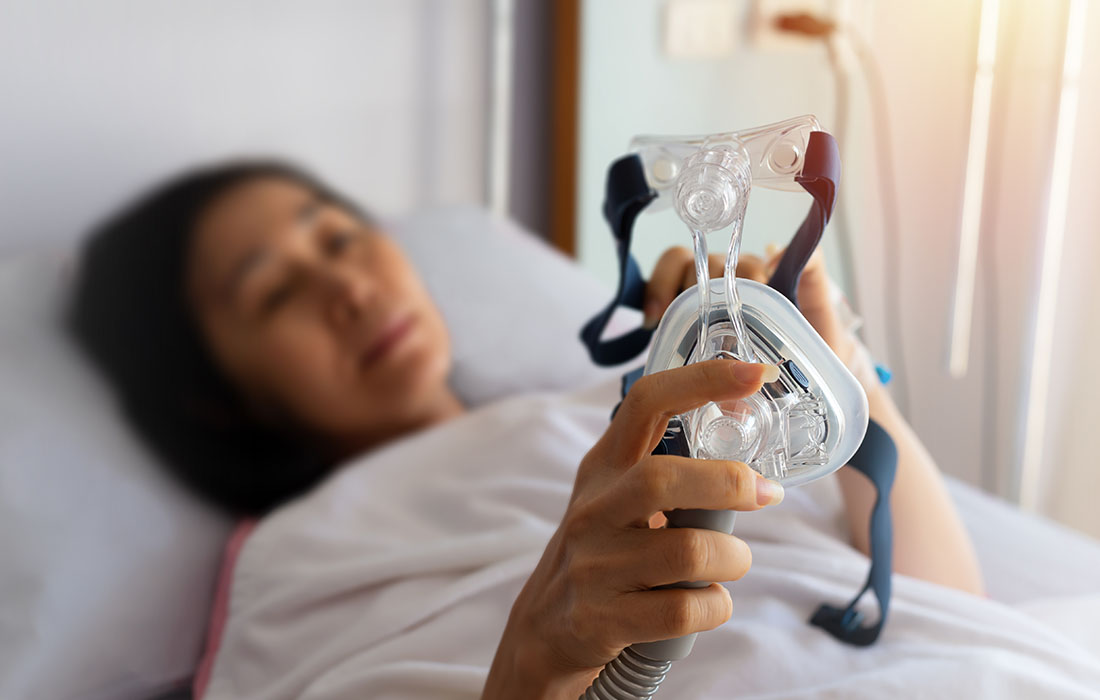
CPAP and BiPAP machines are often confused for each other or thought of as the same device. While both provide Positive Airway Pressure (PAP) therapy, they serve two distinct purposes.
CPAP
Continuous Positive Airway Pressure (CPAP) machines are most commonly used to help treat patients with Obstructive Sleep Apnea (OSA). CPAP machines provide one fixed pressure for both inhales and exhales, as prescribed by a physician.
The gentle flow of air helps keep the airways open throughout the night, preventing interruptions (apneas) and reducing symptoms such as loud snoring, daytime sleepiness, morning headaches, and irritability.
BiPAP
Unlike CPAP machines, Bilevel Positive Airway Pressure (BiPAP) machines provide two distinct pressure levels. It creates a higher pressure when patients inhale (Inspiratory Positive Airway Pressure (IPAP)) and a lower pressure when patients exhale (Expiratory Positive Airway Pressure (EPAP)). The dual-pressure setup is designed for patients who require higher pressure settings for inhaling but find it difficult or uncomfortable to exhale at the higher pressure levels.
BiPAP machines are often used for conditions like Central Sleep Apnea (CSA), Chronic Obstructive Pulmonary Disease (COPD), Obesity Hypoventilation Syndrome, and certain neuromuscular or respiratory disorders.
Summary
Continuous Positive Airway Pressure (CPAP)
- Most commonly Used for Obstructive Sleep Apnea (OSA).
- Provides one fixed pressure for inhales and exhales.
- Keeps airways open throughout the night.
Bilevel Positive Airway Pressure (BiPAP)
- Used when standard CPAP machines aren’t sufficient, or for more complex conditions such as CSA, COPD, and more.
- Provides two different pressures: one for inhales, one for exhales.
- May feel easier to breathe when higher pressures are needed.
CPAP and BiPAP machines are a valuable part of a treatment plan when treating sleep-related breathing disorders. They help patients achieve more restful and restorative sleep.
To determine whether a CPAP or BiPAP is right for your patients, contact Med One Today or view our CPAP and BiPAP devices here. Our team is ready to help!