
A Front Row Seat To Resilience
Written By Damian Tacito
A Personal Reflection on Dialysis, Donation, and Hope
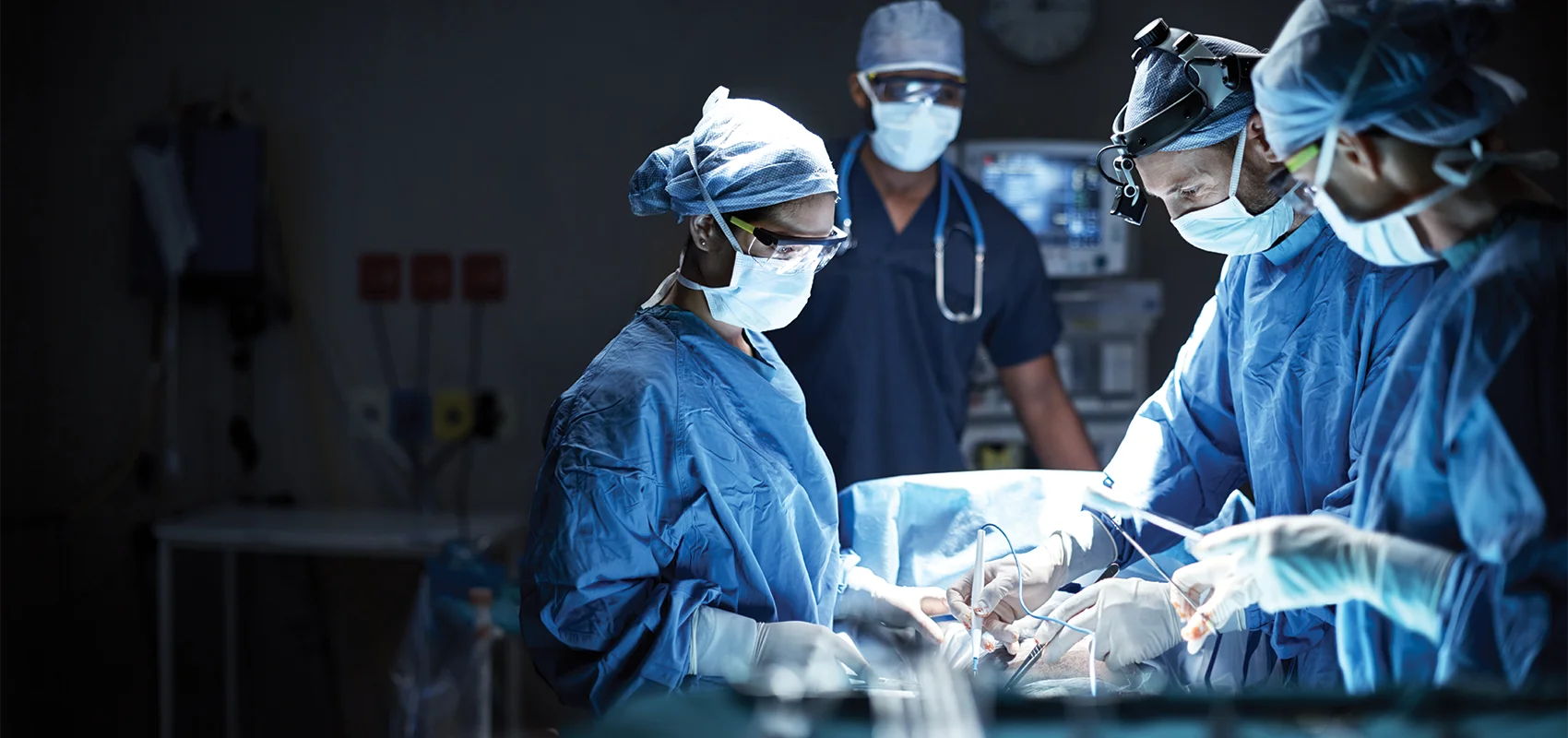
Working closely with hospital personnel every day, you naturally develop a deep respect for what they do. You see the long hours, the difficult decisions, the compassion extended not only to patients, but to their families. You gain an appreciation for the quiet strength required to show up, day after day, for people facing some of the hardest moments of their lives. That respect became profoundly personal for me.
For two years, I watched my father undergo dialysis three days a week, four hours at a time, sometimes longer. Sitting beside him, you begin to understand what so many patients endure simply to stay alive. Dialysis is not just a treatment; it’s a commitment, a battle of endurance, and often an emotional strain for entire families.
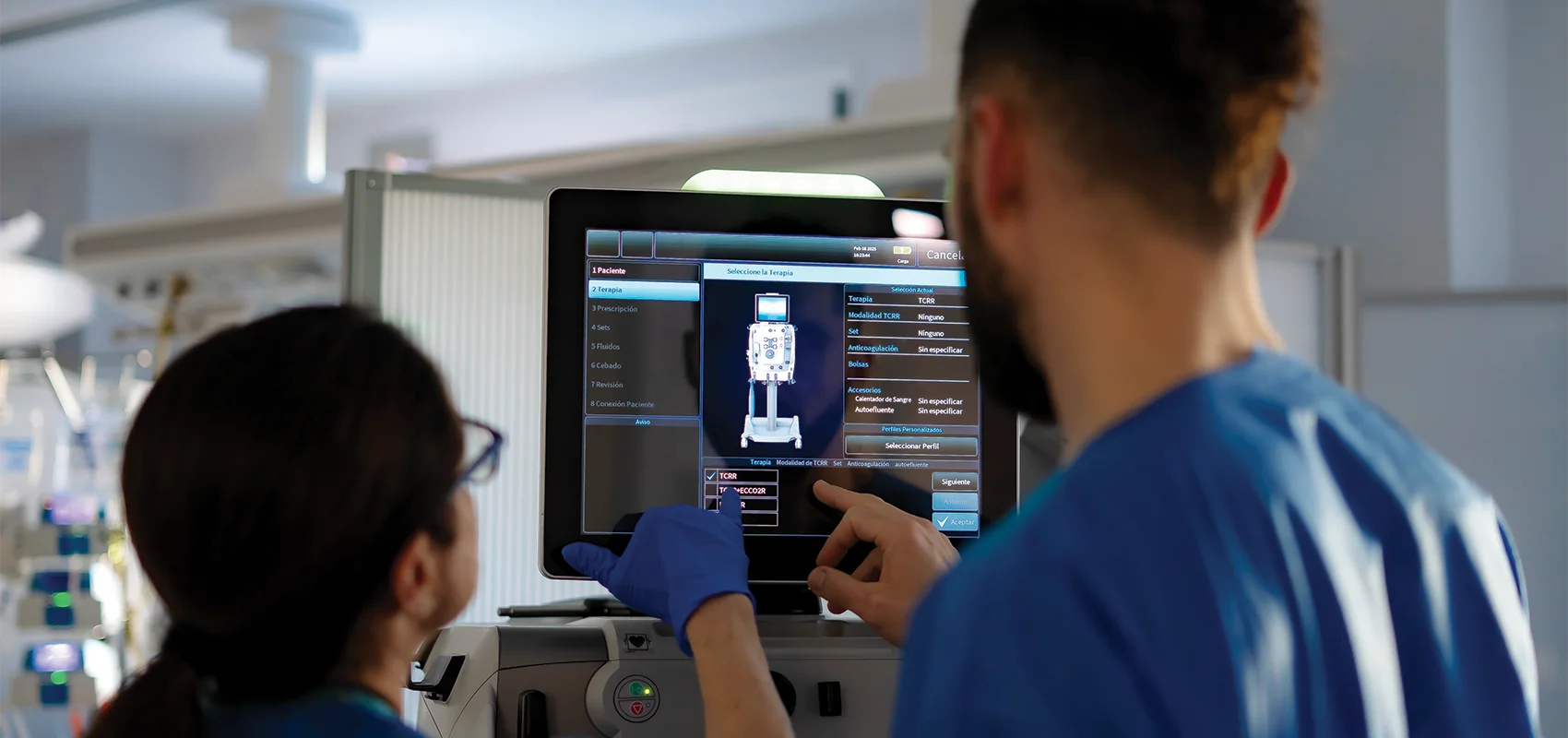
Throughout his journey, his nurses and physicians worked tirelessly together, carefully managing his health with one goal in mind to stabilize his condition so he could become a candidate for a kidney transplant. Their coordination, expertise, and determination ultimately made that possibility a reality.
When the time came, I began the evaluation process to become a living donor.
During that process, I experienced healthcare from an entirely different perspective. I saw firsthand the very equipment we work with at Med One every day, whether rented to hospital partners or financed to support long-term growth. Machines that, in our world, represent logistics, service, and strategy suddenly carried a much deeper meaning. They were lifelines. They were hope in physical form.
It filled me with pride to know that the work we do supports moments like these. Moments where patients are given not just treatment, but a second chance at life. Along the way, I spoke with many others facing kidney disease or kidney failure. Exhaustion was a common theme. The physical toll, the waiting, the uncertainty — it can wear down even the strongest individuals. At times, we felt that weight too. But through perseverance, faith, and an unwavering commitment to keep pushing forward, I was ultimately cleared to donate my kidney to my father.
One powerful lesson emerged from this journey: living donation doesn’t just save one life. When someone donates directly, it shortens the waitlist and allows another person — someone who might not have received a kidney in time — to move closer to their own second chance.

There is a saying I live by: “It’s not what happens to you, but how you respond.” In the world of donation and chronic illness, that mindset makes all the difference. Patients fight not only for themselves, but for their families, for others waiting, and for those watching and learning how to respond to adversity.
At Med One, we are proud to stand alongside the healthcare professionals who make these stories possible. We will continue to serve as a trusted partner in care — supporting hospitals with the equipment and financing solutions that empower them to say “yes” to life-changing treatment.
To anyone in the fight: there is hope. Don’t stop pushing forward. Your second chance, or someone else’s, may be closer than you think.