
The Solitaire Lesson
Written By Troy Tait
Many years ago, when I was much younger, I was introduced to a simple but captivating card game—Solitaire. It seemed that everywhere I went, someone had a deck of cards ready for a quick game. Lunch breaks, plane rides, school hallways, the park, you name it. It was an enjoyable way to pass the time.
I remember playing with all kinds of decks, including one that was completely round. While it looked cool, those cards were not easy to manage. As times changed, Solitaire made the leap to the digital world. I'm pretty sure it was one of the first computer games available, which is wild to think about now when nearly everything is electronic.
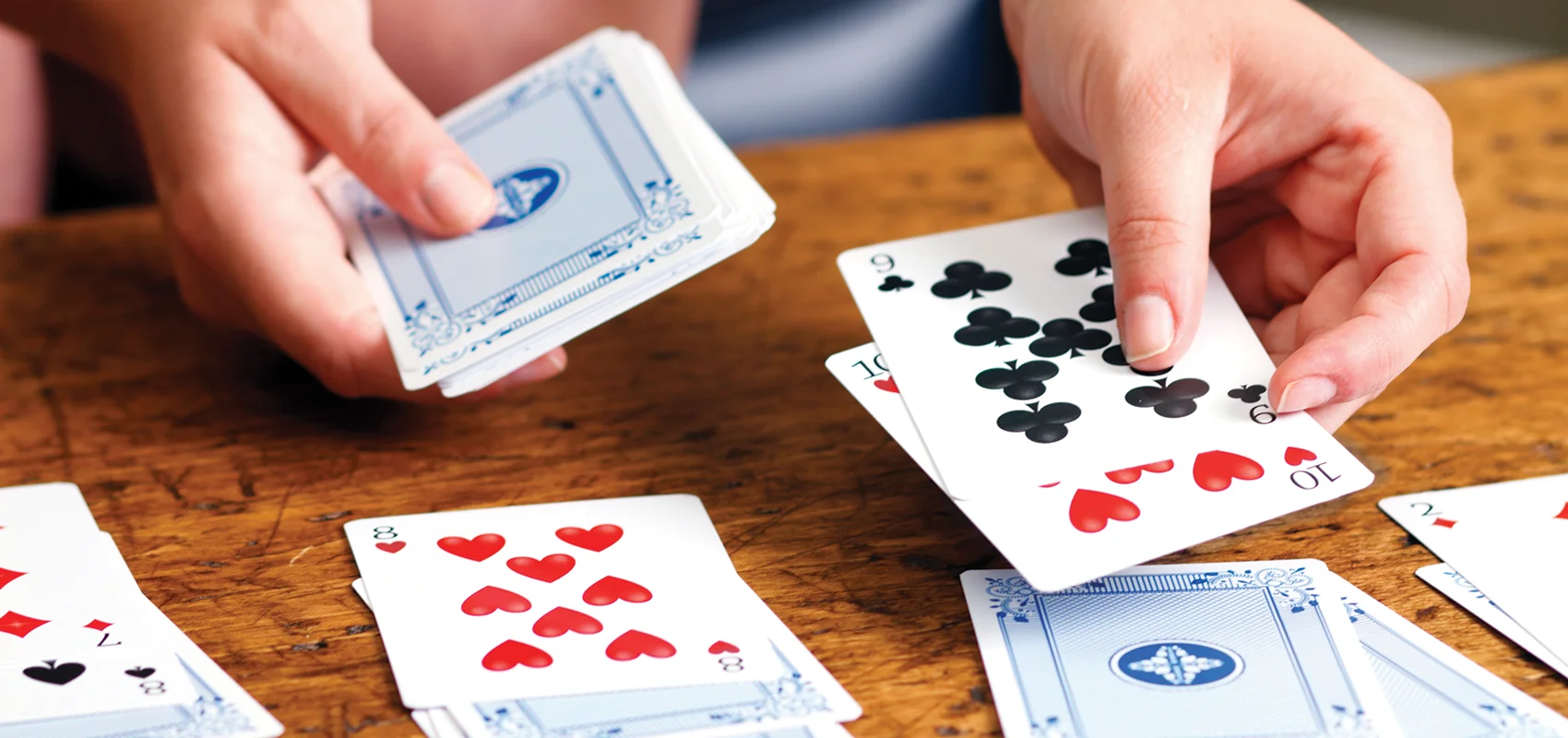
Even today, I still find myself playing the digital version from time to time. It's a fun, low pressure way to take a break from the chaos. As much as I enjoyed simply playing the game, I never paid much attention to how it worked—at least not until I got older. For those unfamiliar with it, here's a quick overview: you start with 52 cards laid out in seven columns. The first column has one face-up card, the second has two cards with the top one face up, and so on—ending with the seventh column, which has six cards facedown and one face up. The remaining 24 cards form the draw pile.
The goal is to build four foundation piles, one for each suit, starting with the Ace and ending with the King. Cards in the columns can be arranged in descending order, alternating colors, and only a King can fill an empty column. To win, you must eventually move all cards into those foundation piles.
But here's the twist—the life lesson I never noticed until much later. Sometimes you must pull a card out of the foundation, or temporarily move backward, in order to win. That move can feel counter intuitive and even risky, but more often than not, it's exactly what opens the path forward.

Life works the same way. We can be moving along smoothly when suddenly everything comes to a halt. In those moments, we can either panic and settle or we can step back to our foundation, gather what we need, and keep playing for the win.
In the end, Solitaire teaches us something surprisingly powerful: progress isn't always linear. Sometimes the winning move is the one that feels like a step backward pulling a card out of the foundation, clearing space, and creating new possibilities. What looks like retreat is often strategy.
The same is true in both life and business. Challenges will interrupt our momentum. Plans will stall. Systems will break. Markets will shift. In those moments, stepping back isn't failure, it's recalibrating. It's returning to what matters most, reassessing the board, and making the move that positions you to win long term rather than forcing a short term play.
Take a moment this week to identify one area at work or in your personal life where you might need to "pull a card from the foundation." Maybe it's revisiting a process that worked years ago, re-engaging a relationship you've overlooked, rethinking a project strategy, or simply giving yourself the space to reset. Make the deliberate choice to step back so you can ultimately move forward with clarity, strength, and intention.
Just like in Solitaire, the win comes not from rushing the next move, but from playing with patience, awareness, and the confidence to adjust when the game changes.