
The Stories We Tell Without Words
Written By CHRISTY HADIWINATA-FULLMER
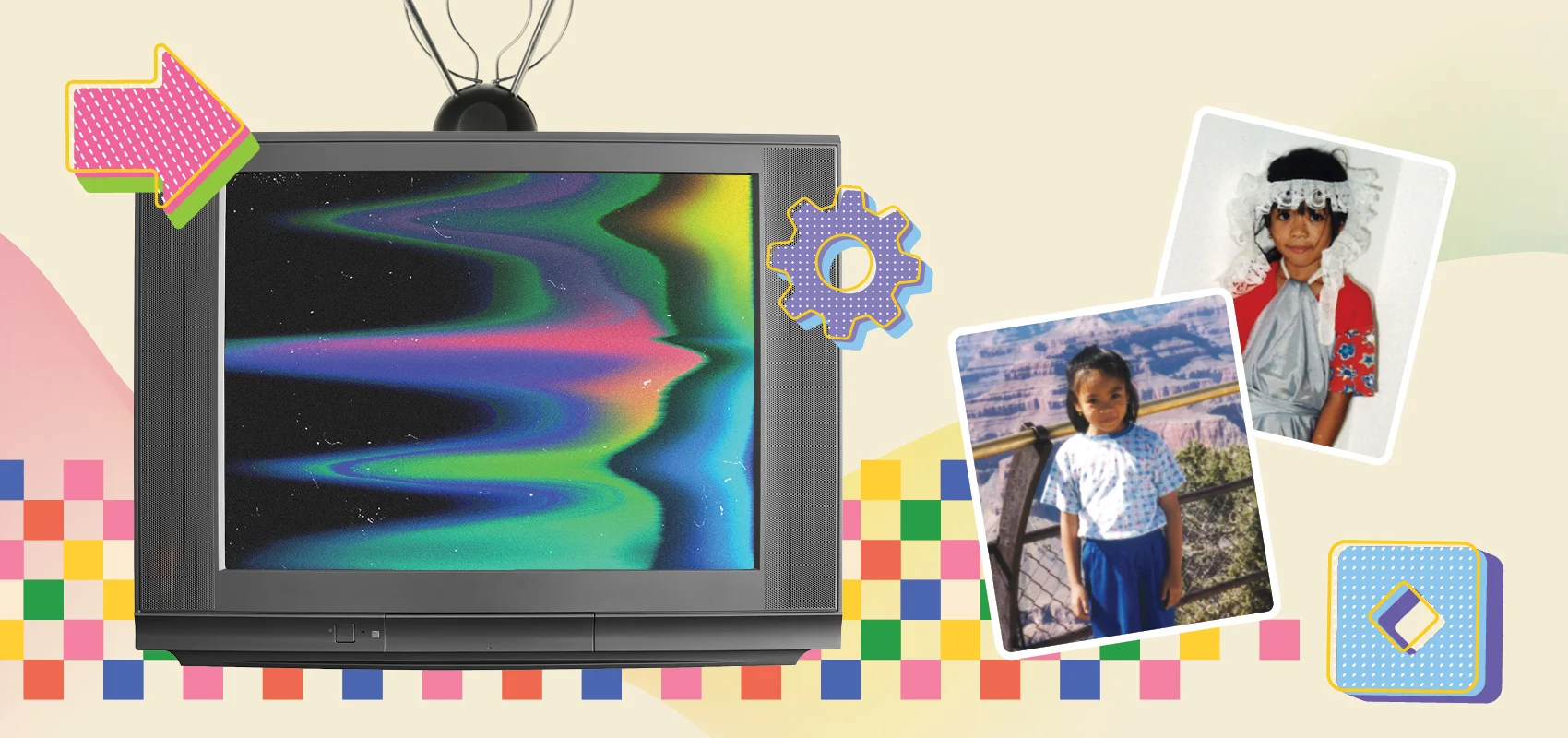
Growing up in the 90s — or the 1900s, as my son likes to call it — I have very fond memories of Scooby-Doo, The Flintstones, Dexter’s Laboratory, and all the other nostalgic cartoons that continued to air long after their original air dates. Watching Scooby-Doo was actually how I learned English.
My name is Christy and I was born and originally raised in Jakarta, Indonesia. When I was growing up, we had satellite access to different television channels from the United States. My favorite channel was, of course, Cartoon Network, and Scooby-Doo was my favorite to watch in the mornings. The only caveat to watching those cartoons, however, was that all of the shows were in English, with no subtitles, and there wasn’t anyone there that I could practice speaking English with. Still, I watched.
I watched the characters’ expressions. I listened to the sounds they made. I paid attention to their body language and what happened on screen when certain words were spoken. Slowly, I started connecting the dots. I began to understand the story before I fully understood the language. It really is amazing how much children can learn on their own. I was around 7 years old when I started speaking English.
By the time my family decided to move to the United States, my parents realized the English classes they had signed me up for were unnecessary. All those years of watching cartoons had hilariously paid off.
ABSORBING THROUGH VISUALS
Even when my younger self didn’t know what was being said, I was still able to use visual cues to understand things that were completely foreign to me.
By watching patterns, recognizing expressions, and connecting sounds to actions and actions to meaning, I was able to learn a completely new language through storytelling.
As I grew older, I began to realize that we never really stop doing that. We are constantly absorbing information from the world around us. We observe patterns, recognize visual cues, and make connections—sometimes consciously and sometimes without even realizing it
That realization has stayed with me throughout my life and has had a significant impact on the way I think as a designer.
DESIGN IS STORYTELLING
The interesting thing about storytelling is that we do not always get to decide how a story is received. That is why design matters.

Information that is organized clearly and easy to understand can reflect a company’s dedication to transparency, simplicity, and clarity. Strong, consistent branding can communicate confidence, reliability, and purpose. Even the smallest design choices can say something before a single word is ever processed.
Looking back, I don’t think I realized I was learning more than just a language. I was learning how visual communication works. Before I knew the meaning of the words, I understood the emotion behind a scene. I knew when something was funny, suspenseful, or heartfelt simply by watching the characters and the way the story unfolded.
WHY DESIGN MATTERS
Design is everywhere. It influences what we notice, what we understand, and sometimes even how we feel.
Because whether we realize it or not, we are all constantly telling stories. Sometimes, we tell them with words. Sometimes, we tell them through our actions. And sometimes, we tell them without saying anything at all.
As for me, I suppose I have been learning to understand those stories since I was seven years old, sitting in front of a television in Jakarta, trying to figure out what in the world Scooby-Doo was saying.