Med One Blog

5 Factors to Consider When Buying Infusion Pumps

5 Factors to Consider When Buying Infusion Pumps

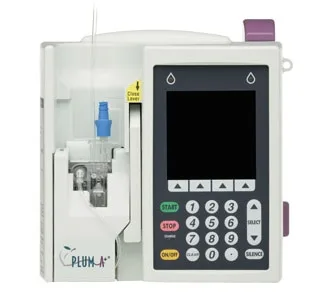
Infusion pumps are medical equipment used to deliver fluids into patients’ bodies in a controlled and accurate manner. Infusion pumps have been in use since the late 1960s, and they’re still utilized in a variety of medical settings including nursing homes and hospitals. Today, Alaris infusion pumps are prevalent in most health care settings due to their ability to deliver fluids accurately. Some of these fluids include hormones, antibiotics, insulin, pain relievers, and chemotherapy drugs.

Read More...

Why Hospitals and Patients Both Benefit From Medical Equipment Rentals

Why Hospitals and Patients Both Benefit From Medical Equipment Rentals

IV infusion pumps are devices that are used to deliver medication or nutrients to a patient in a liquid dosage form. Although there are two main ways to accomplish this, electric pumps offer a more accessible and safer way of administering intravenous fluids. Today, many hospitals make use of electric infusion pumps. That said, maintaining a steady stock of them can be difficult if your hospital serves an excessive number of patients. That's why it's essential to figure out the best way to obtain the equipment you need while staying on-budget and without disrupting the patient quality of care.

Read More...

Top Reasons to Consider Renting Medical Equipment

Top Reasons to Consider Renting Medical Equipment

Healthcare equipment is necessary because clinical satisfaction and patient care are the most critical concerns for every healthcare executive. With the rapid advancement in technology, device integrations, recalls, and an increase in capital requirements, healthcare practitioners, must manage funds efficiently. This makes it more efficient to rent medical equipment than to purchase new devices. Using medical equipment rentals is a great option when it comes to acquiring medical devices. Here are the reasons why renting is the right option for facilities working with tight budgets and other shared concerns.

Read More...

4 Key Safety Features to Look for When Buying Infusion Pumps

4 Key Safety Features to Look for When Buying Infusion Pumps

In a study conducted by the Material Services Department at the University of Michigan Health Systems, around 86% of patients who are admitted to a hospital requires an IV infusion pump. To meet this high demand, it’s crucial for hospitals to maintain a stock of the most reliable equipment. Thus, it’s important to know which features IV infusion pumps need to have in order to deliver the highest level of care.

Read More...

Eliminate Errors with Alaris Smart Infusion Pumps

Eliminate Errors with Alaris Smart Infusion Pumps

Infusion pumps have been in use in hospitals and other healthcare facilities for several years now. They are far more common than the manual system of administering IV fluids. If you do not have one, then you should acquire an infusion pump for your healthcare facility immediately.

Read More...

3 Major Types of Infusion Pumps

3 Major Types of Infusion Pumps

Infusion pumps are devices used to deliver fluids into a patient's body. The use of infusion pumps has been around since the late 1960s. These devices provide both medication and nutrients in controlled amounts. These tools are usable in all medical facilities for treatment purposes, and they are operated by professional medical practitioners, who know how to program the duration and rate of fluid delivery.

Read More...

Why You Should Consider Renting Medical Equipment before Buying

Why You Should Consider Renting Medical Equipment before Buying

Technology has led to various medical equipment inventions, thus leaving nurses with limited time to learn about the uses of this equipment efficiently. Battery failure, software defect, inadequate knowledge of using the device are some of the reasons why IV infusion pumps fail. Unfortunately, incorrectly administering intravenous infusion fluids can lead to medical injuries. Nonetheless, there are ways of preventing such errors.

Read More...

4 Ways to Control Your Facility's Medical Equipment Acquisitions

4 Ways to Control Your Facility's Medical Equipment Acquisitions

After labor, the cost of medical equipment and supplies is the second-largest expenditure in your medical facility's budget. The average hospital owns or rents over 35,000 different medical devices at any one time. Managing these costs are the bane of many administrators' existence. On the one hand, medical facilities can only operate when they are financially secure. On the other hand, medical facilities cannot ethically or legally sacrifice patient safety. Here are four ways medical equipment acquisitions give you control over finances:

Read More...

Medical Equipment Leasing Helps Hospitals Acquire New Technology

Medical Equipment Leasing helps Hospitals Aquire New Technology

By Ibby Smith Stofer

Medical technology is the lifeblood of healthcare providers. They need to have tools to improve patient care, and they need the equipment when the patient needs it, not necessarily when the capital budget is free.

Read More...

Safe Infusion: How Proper Use of Pump Features Can Promote Patient Well-Being

Safe Infusion: How Proper Use of Pump Features Can Promote Patient Well-Being

IV therapy has been used for decades and is still considered to be the fastest way to deliver medications and fluids to the body, as it yields a bioavailability absorption rate of 100%. However, even though syringe infusion pumps are highly effective, that doesn't mean that they're error-free. Like any other type of medical or hospital equipment, proper procedures must be followed to ensure compliance and alleviate risk.

Read More...